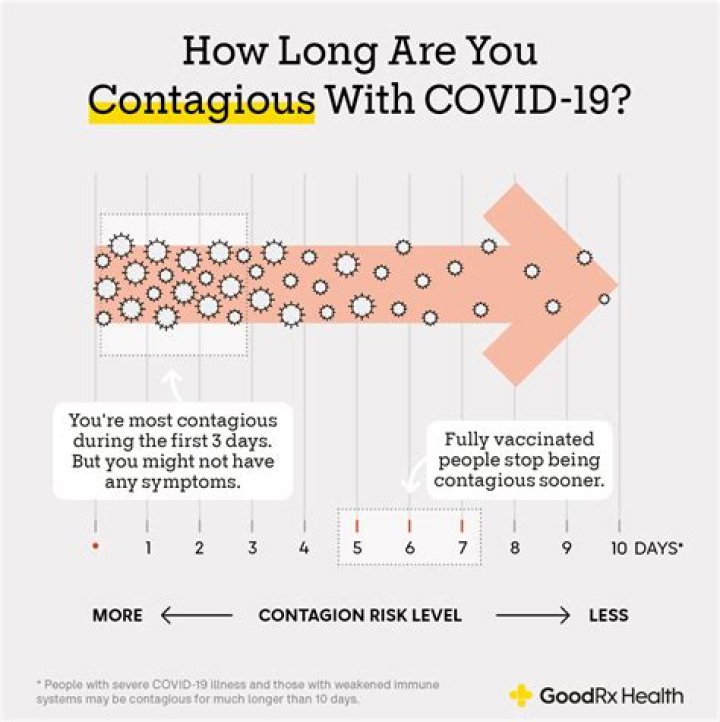
The majority of people who have chlamydia don't experience any symptoms at all. And even if you do have symptoms, they may not show up for anywhere from 1 week to 3 or more months after the infection's been transmitted to you through sexual intercourse.
Can chlamydia go undetected for years?
Chlamydia can lie dormant in the body for many years causing a low grade infection without symptoms. It could potentially flare up to cause a symptomatic infection, especially if there is an alteration in the persons immune system, such as a severe cold or flu, cancer or some other severe illness.Can chlamydia go dormant and test negative?
This is because the bacteria needs enough time to multiply within your body in order for it to reach a detectable level when taking a chlamydia test. For chlamydia this is often 14 days. If you test before that 14 days is over, you may test negative, but you could still pass the bacteria on following your test.How common is it for chlamydia to be dormant?
Many people, both men and women, who are infected with chlamydia have no symptoms at all, but may still infect others. Any symptoms show up 1-3 weeks after you have been infected. Chlamydia bacteria may also remain dormant for long periods and then suddenly cause problems or lead to complications.Can chlamydia be dormant for 2 years?
Because chlamydia can be dormant for years without being symptomatic, infected persons may easily transmit the disease to sexual partners without knowing. The ability to lie dormant may also be a reason why chlamydia is so good at hiding in the digestive system despite being eradicated elsewhere.Can Chlamydia Stay Dormant In Your Body For Years?
Could I have had chlamydia for 10 years?
How long can you have chlamydia for? An untreated chlamydia infection can persist for several years. Although this goes for both men and women, it is believed that men are less likely to carry the bacteria for several years. If you remain infected for a long time you have an increased risk of complications.How did I get chlamydia and my partner didn t?
Heather Corinna replies: If you had a partner before him for oral, vaginal or anal sex, that could be who you got it from and your current partner managed not to contract it from you (now or yet), or contracted it so recently that he isn't testing positive yet.Can chlamydia be treated after 3 years?
Nope! Chlamydia is easily cured with antibiotics. Chlamydia is a bacterial infection (like strep throat or an ear infection), which means that once you've been treated and tested negative for it (to make sure the antibiotics worked), it's gone.Will dormant chlamydia show up test?
A significant number of men do not typically show symptoms for STDs such as chlamydia although they are very capable of spreading the disease. Even though they are generally asymptomatic or dormant, they will still test positive for the STD. Most STDs that are in a dormant stage can be detected with a test.Can I get chlamydia without cheating?
Apart from being infected at birth you can not catch chlamydia without performing some form of sexual act. However, you don't have to have penetrative sex to get infected, it is enough if your genitals come in contact with an infected person's sexual fluids (for example if your genitals touch).What happens if I had chlamydia for 2 years?
If not treated, chlamydia can lead to damage to the reproductive system. In women, chlamydial infection can spread to the uterus or fallopian tubes and cause pelvic inflammatory disease (PID), according to the CDC. PID can damage the fallopian tubes and uterus and cause chronic pain, infertility, and ectopic pregnancy.Can an STD lay dormant for 20 years?
There are STDs that can lie dormant and you can continue to be asymptomatic for years. The most important STD to test for in this regard is HIV, which can lie dormant for many years. Anyone who has ever had unprotected sex should consider getting this blood test.Can my partner give me chlamydia but he tested negative?
The short answerYes, it is possible to contract a STI from someone who tested negative (for the STIs that they were tested for)… if (and only if!) they were positive for an STI that they weren't tested for. Or if they were positive for an STI in a location that didn't get tested, such as in the mouth and throat.