If you suffer from acute diarrhea, it's best to treat it straight away. By treating diarrhea, your body can start to recover so you can feel better and get on with your day as quickly as possible.
Is it better to take anti diarrhea medicine or let it run its course?
You may have heard it's better to let diarrhea run its course rather than treating it. But except in a few cases where you should see your doctor (see “How to find diarrhea relief” for more information), you can treat your diarrhea at home with nonprescription medications.Is it better to take Imodium or let it out?
Although acute diarrhea generally resolves on its own, treating with IMODIUM® products relieves symptoms more quickly than letting diarrhea run its natural course.Is it good to get out diarrhea?
It turns out your runs serve a purpose. Diarrhea is one of the least pleasant parts of dealing with a stomach bug. But according to a new Brigham and Women's Hospital study published in Cell Host and Microbe, it's a blessing in disguise: You're essentially pooping out the bacteria that made you sick.When should you not stop diarrhea?
If you're an adult, see your doctor if: Your diarrhea persists beyond two days with no improvement. You become dehydrated. You have severe abdominal or rectal pain.Let One Go
How do I stop diarrhea from Covid?
Greenough also notes that foods such as bananas, rice and toast are good binding agents to help settle one's stomach when they are experiencing diarrhea. Greenough is available for comment on COVID-19, diarrhea and oral hydration.How much diarrhea is too much?
Most cases of acute diarrhea resolve without treatment. However, severe diarrhea (greater than 10 bowel movements a day or diarrhea where fluid losses are significantly greater than oral intake) can cause dehydration, which can be life-threatening if untreated.Does diarrhea clean out your colon?
Your Colon Is Never EmptyMany people believe they have emptied out their colons after multiple episodes of diarrhea or that they can keep their colons empty by avoiding food. However, since stool is made up in large part of bacteria, fecal matter is continuously being formed.
Why does Covid give me diarrhea?
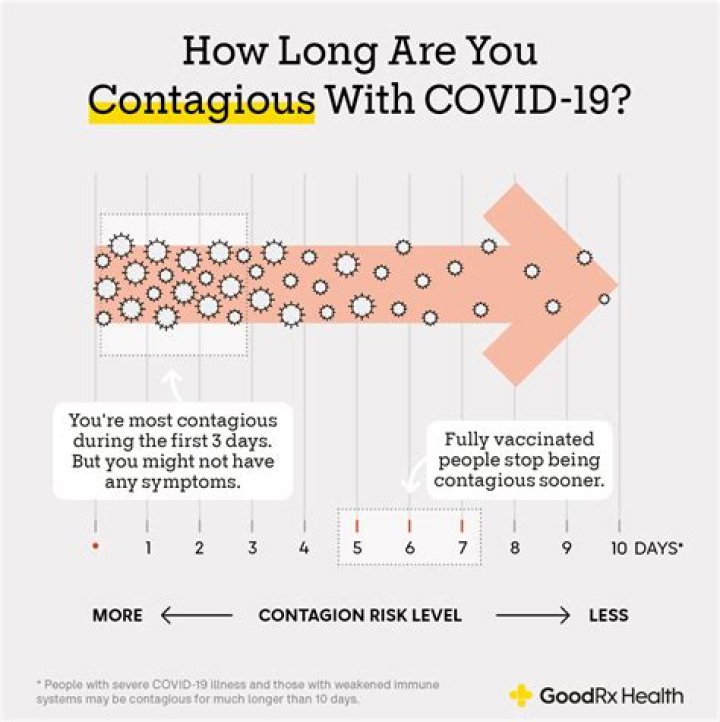
While most of us know some of the common symptoms of COVID-19—such as fever, shortness of breath, and a dry cough—it's quite common to experience gastrointestinal distress, such as diarrhea. That's because diarrhea is the body's way of quickly disposing of viruses, bacteria, and toxins from the digestive tract.How do I cure my gut after diarrhea?
Read on for some of the most effective ways to manage acute diarrhea.
- Hydration. Hydration is very important when you have diarrhea. ...
- Probiotics. Probiotics are sources of “good” bacteria that work in your intestinal tract to create a healthy gut environment. ...
- Over-the-counter drugs. ...
- Foods to eat. ...
- Foods to avoid.
When should I let diarrhea run its course?
Likewise, diarrhea from viral gastritis is your body's way of removing the virus from the body. In general, these illnesses should be allowed to run their course for a day or more. Diarrhea that lasts more than 48 hours or is accompanied by signs of dehydration should be treated.What naturally stops diarrhea?
Things that naturally stop diarrhea include the BRAT diet, probiotics, oral rehydration solution (ORS), zinc, turmeric, cinnamon and nutmeg. Stomach flu causes many men, women and children to curl up in bed, too weak to move. Diarrhea or loose stools are often caused by a virus, bacteria or food allergies.What does it mean to have bright yellow diarrhea?
Yellow stool may indicate a malabsorption disorder caused by a parasite, illness, or disease. Malabsorption of fat can lead to an increased fat content in stools, which can be pale, large, foul-smelling, and loose. This is known as steatorrhea, and complications may include: malnutrition.How common is diarrhea with COVID?
The pooled prevalence of nausea/vomiting was 7.53% and diarrhea was 11.52%.Is diarrhea a late symptom of COVID?
In some cases, the digestive symptom, particularly diarrhea, can be the initial presentation of COVID-19 and may only later (or never) present with respiratory symptoms.Can you just have diarrhea with COVID?
In about one-quarter of patients in the new study, diarrhea and other digestive symptoms were the only symptoms seen in mild COVID-19 cases, and those patients sought medical care later than those with respiratory symptoms.How many pounds of poop is in your colon?
According to the Centers for Disease Control (CDC) the average man in the U.S. weighs 195.7 pounds, and the average woman weighs 168.5 pounds. This means a man of average weight produces about 1 pound of poop and a woman of average weight produces about 14 ounces of poop per day, contained in your large intestine.Is diarrhea your body getting rid of toxins?
Many people think diarrhea is a sign that your body is trying to get rid of something, so it's better to let it 'flush' any bacteria or toxins out of the body. But diarrhea is not a defence mechanism. It's a symptom of disruption to the finely tuned machine that is our digestive system.How do I completely empty my bowels?
How to empty your bowels without straining
- Sit on the toilet properly: ...
- Brace – allow your stomach muscles to push forwards. ...
- With each urge to empty your bowels, repeat the brace.
- Keep your mouth slightly open and breathe out. ...
- As you finish, pull up your anorectal muscles (the muscles that control your bottom).